2

Mastering Light and Lighting in Photography

Course Overview

Capturing exceptional photographs requires blending art and science. While the “art” component has more to do with experience behind the lens and imaginative forte in seeing a photograph in any scene or setting, the “science” component is much more about light and its properties. In this course, we aim to develop an in-depth understanding of light and its attributes that help driving excellence in photography. Students will gain an in-depth understanding of light properties, manipulation techniques, and creative applications to achieve artistic and technical outcomes. The course is suited for any photographer aiming to upskill their photography acumen by mastering the cornerstone of photography—lighting.
  • Understanding Light Properties: Develop an understanding of light quality, direction, colour, and intensity.
  • Metering & Exposure: Apply techniques for precise lighting and exposure control.
  • Light Sources: Utilize a mix of light sources including sunlight, artificial light, flash, and mixed lighting setups.
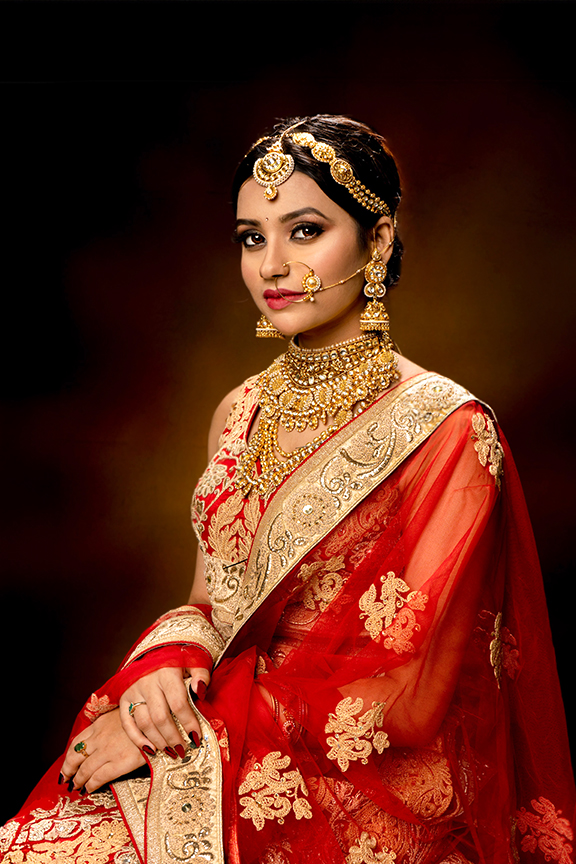
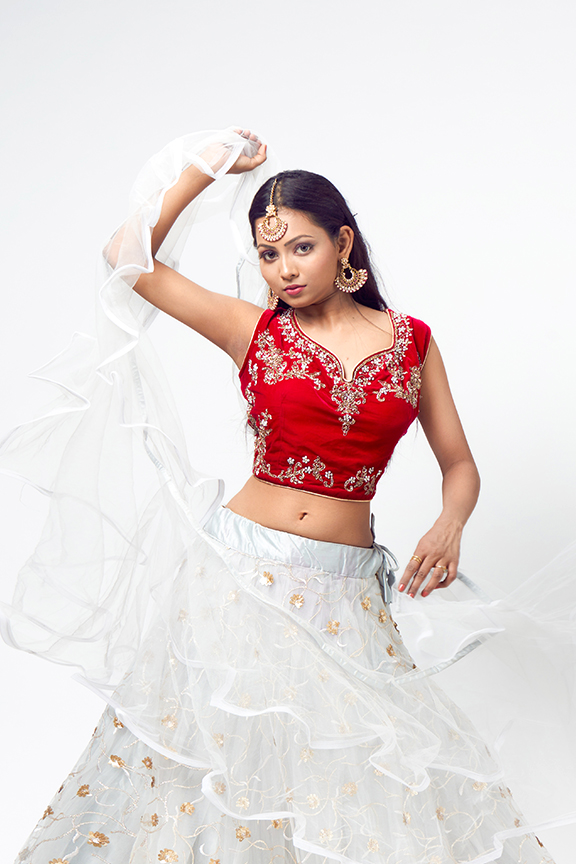
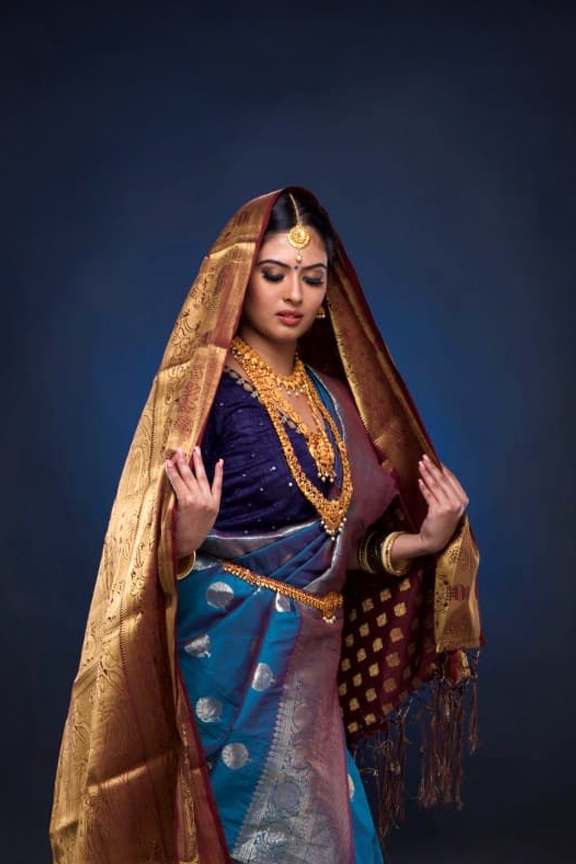
  • Advanced Techniques: Develop lighting skills across a broad range of photography genres including portrait, product, creative, and location lighting.
  • Hands-on Practice: Participate in studio workshops and build a professional portfolio.

Duration

  • 2 months (Weekend classes: Saturday & Sunday)
  • Batch size: ~10 students per batch
Core Concepts:
  • Explore the properties of light: hard vs. soft, color temperature, white balance, direction, angle, intensity, and falloff.
  • Learn lighting types: key light, fill light, hair light, back light, background light, and rim light.
  • Understand camera metering techniques (evaluative, partial, center-weighted, spot), histograms, exposure compensation, and bracketing.
  • Grasp the Inverse Square Law for lighting control.
  • Gain proficiency with light sources, studio lighting equipment, and modifiers like softboxes, umbrellas, reflectors, and grids.
  • Master flash synchronization, multi-light setups, high-speed sync, and rear-curtain sync.
  • Utilize natural light techniques like golden hour and blue hour photography, and mix natural with artificial light using reflectors and diffusers.
Advanced Techniques:
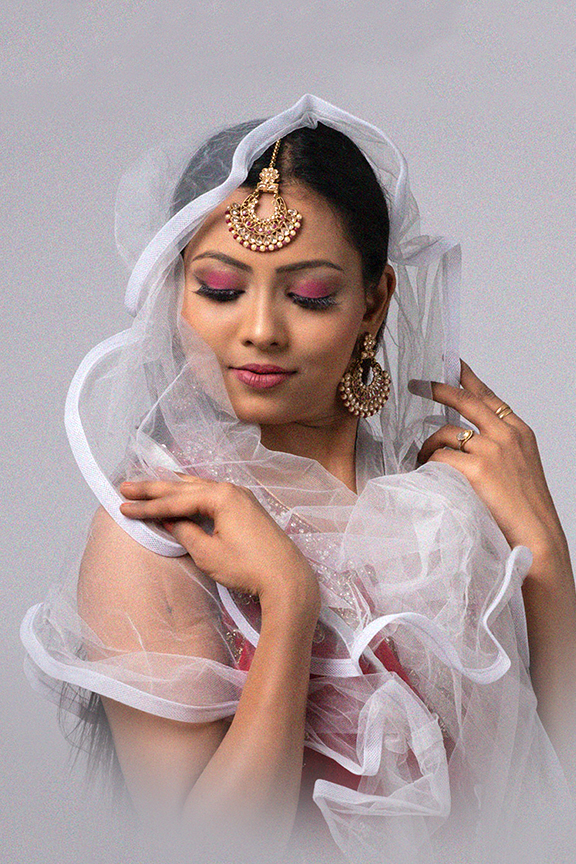
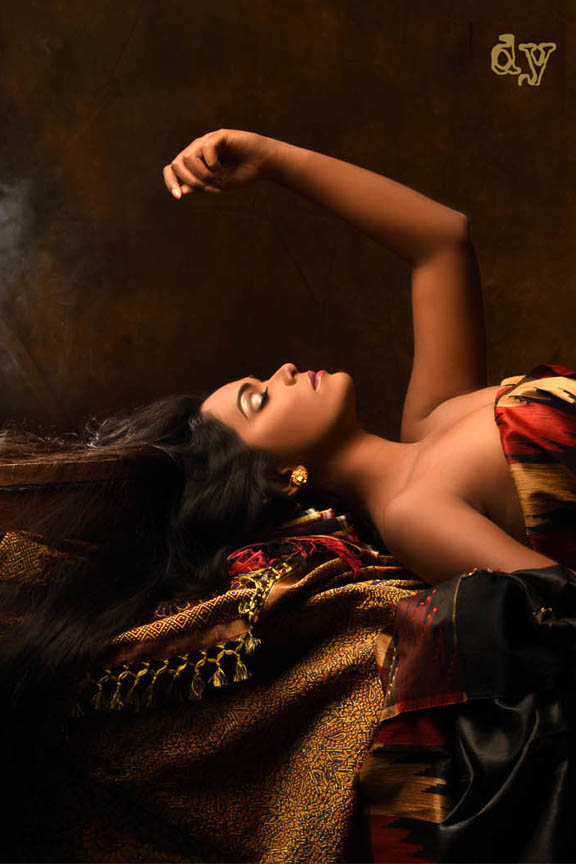
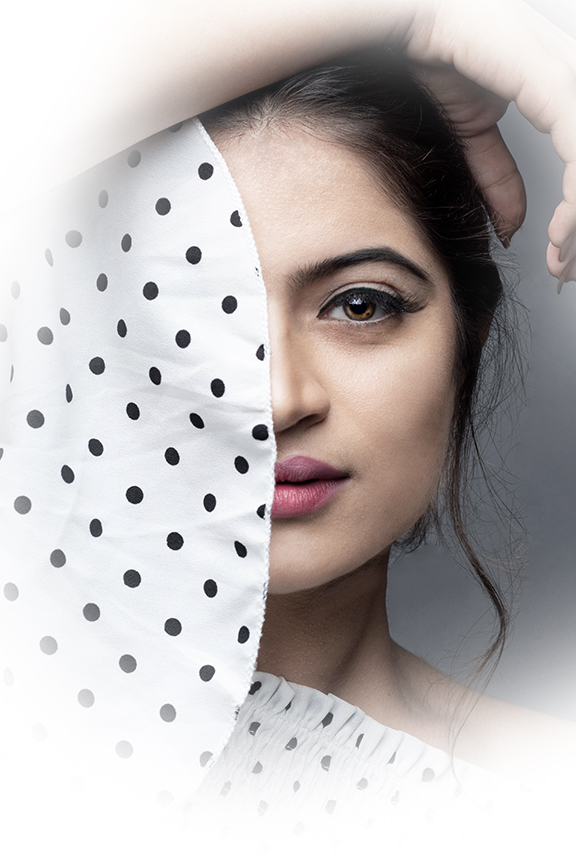
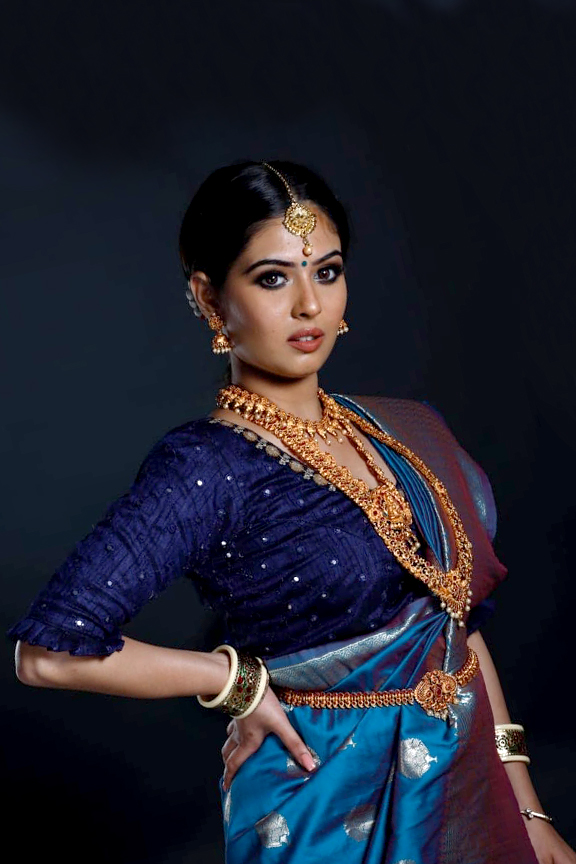
  • Create flattering portraits with classic lighting patterns (Rembrandt, butterfly, loop, split).
  • Learn product photography for reflective and non-reflective surfaces in professional setups.
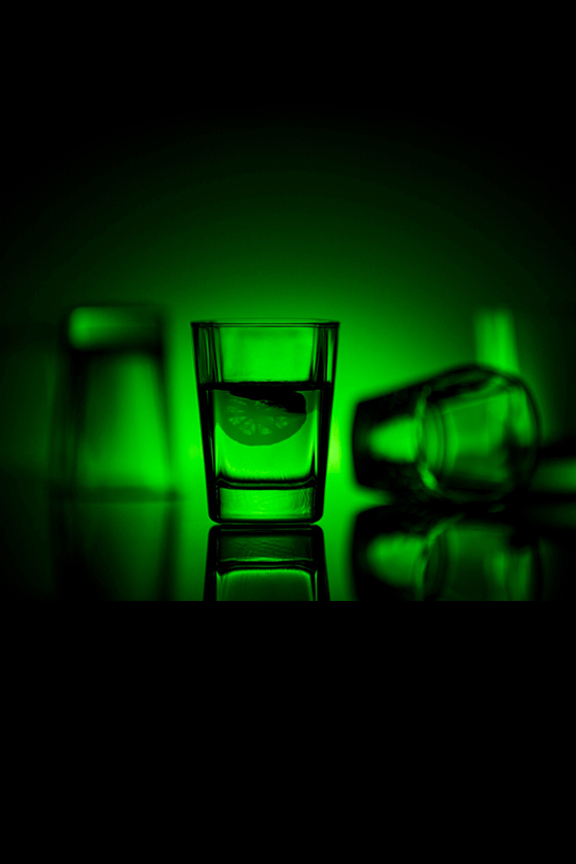
  • Experiment with creative techniques such as light painting, gels, long exposures, and conceptual lighting.
  • Handle location challenges with portable equipment and innovative solutions.
Practical Applications:
  • Studio Workshops: Engage in hands-on practice with various lighting setups and troubleshoot issues.
  • Portfolio Development: Build an impressive portfolio showcasing your lighting mastery.
  • Understanding Light Properties: Develop an understanding of light quality, direction, colour, and intensity.
  • Metering & Exposure: Apply techniques for precise lighting and exposure control.
  • Light Sources: Utilize a mix of light sources including sunlight, artificial light, flash, and mixed lighting setups.
  • Advanced Techniques: Develop lighting skills across a broad range of photography genres including portrait, product, creative, and location lighting.
  • Hands-on Practice: Participate in studio workshops and build a professional portfolio.

Duration

  • 2 months (Weekend classes: Saturday & Sunday)
  • Batch size: ~10 students per batch
Core Concepts:
  • Explore the properties of light: hard vs. soft, color temperature, white balance, direction, angle, intensity, and falloff.
  • Learn lighting types: key light, fill light, hair light, back light, background light, and rim light.
  • Understand camera metering techniques (evaluative, partial, center-weighted, spot), histograms, exposure compensation, and bracketing.
  • Grasp the Inverse Square Law for lighting control.
  • Gain proficiency with light sources, studio lighting equipment, and modifiers like softboxes, umbrellas, reflectors, and grids.
  • Master flash synchronization, multi-light setups, high-speed sync, and rear-curtain sync.
  • Utilize natural light techniques like golden hour and blue hour photography, and mix natural with artificial light using reflectors and diffusers.
Advanced Techniques:
  • Create flattering portraits with classic lighting patterns (Rembrandt, butterfly, loop, split).
  • Learn product photography for reflective and non-reflective surfaces in professional setups.
  • Experiment with creative techniques such as light painting, gels, long exposures, and conceptual lighting.
  • Handle location challenges with portable equipment and innovative solutions.
Practical Applications:
  • Studio Workshops: Engage in hands-on practice with various lighting setups and troubleshoot issues.
  • Portfolio Development: Build an impressive portfolio showcasing your lighting mastery.

Contact Us